Exploring the Job of an Arborist: Crucial Services for Tree Health and Care
An arborist is vital for maintaining tree vitality and longevity. These experts utilize specialized skills to examine trees and develop tailored care plans. This encompasses pruning, diagnosing diseases, and controlling soil health. These specialists play a crucial role in promoting sustainable development. Their knowledge not only boosts the visual appeal of landscapes but also maintains ecological balance. Knowing their key services can show the critical impact they have on developed and undeveloped environments as well.
The Value of Arborists in Tree Care
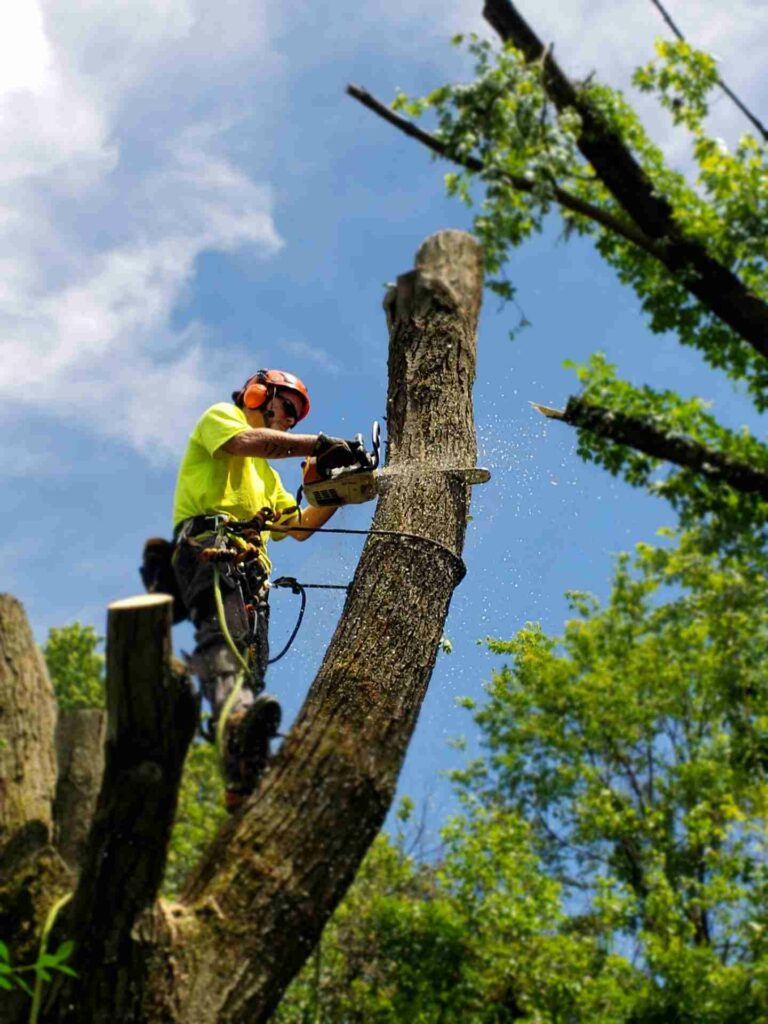
While many residents may underestimate the role of arborists, their skill is essential for sustaining tree vitality and long life. Arborists are certified experts who specialize in the health and management of trees. These professionals hold in-depth expertise of tree life science, diseases, and environmental elements affecting growth. By examining tree health, arborists can determine potential concerns, ranging from pest problems to nutrient deficiencies.
Their work encompass a variety of important tasks, including soil care, tree assessments, and overall maintenance plans. Arborists also play a major role in making sure trees are situated in correct locations, factoring in elements such as sunlight, drainage, and space for growth. Their advice helps homeowners to make informed choices that encourage sustainable tree development. By hiring arborist care, homeowners not only improve the aesthetics of their landscapes but also contribute to the ecological well-being of their surroundings, making certain trees flourish for generations to come.
Essential Tree Pruning Techniques
Proper tree pruning practices are vital for preserving healthy and flourishing trees. Arborists utilize various approaches to improve tree structure, promote growth, and remove dead or diseased branches. One key technique is crown reduction, which involves selectively taking out branches to improve light penetration and air circulation. Another important method is crown raising, where low-hanging branches are cut back to increase ground clearance and sightlines. Furthermore, the practice of reducing the crown reduces the size of a tree’s canopy, minimizing stress while maintaining its shape.
Timing is also essential; cutting back is generally most effective during dormancy in late relevant information winter or early spring. This limits the amount of sap leakage and encourages healthy growth. Arborists suggest utilizing sharp, clean tools to create clean incisions, which assists in avoiding damage to the tree. Finally, these essential practices do more than just enhance beauty but also significantly impact the tree's total vitality and longevity.
Tree Planting and Transplanting

When considering the establishment of new trees, appropriate planting and relocation practices are crucial to secure their effective establishment and integration into the landscape. Arborists stress the necessity of picking the appropriate variety for the site conditions, as well as making sure the planting pit is prepared well. The hole should be wide enough to allow space for the roots, allowing for proper spreading and aeration
When transplanting, precautions must be observed to minimize root disturbance, which can hinder a tree's ability to take hold in the new location. Arborists recommend transplanting during the dormant season to reduce stress on the tree
(Florence Arborist)Once planted or transplanted, proper watering and mulching are essential to support the tree's successful rooting. Arborists also recommend tracking the tree’s growth and modifying maintenance routines as needed to ensure a successful transition into the surrounding environment, which helps create a healthy setting
Spotting Tree Maladies and Bugs
What is the best way to recognize the indicators of tree maladies and insects? Arborists utilize a keen understanding of dendrology and environmental factors to identify these problems. Symptoms such as foliage discoloration, stunted growth, or early defoliation usually point to deeper troubles. Furthermore, the existence of abnormal formations, such as galls or cankers, may indicate disease or insect activity.
Arborists also check the outer layer for wounds, entry points, or insect waste, which could imply pest presence. Analyzing the soil and surrounding environment helps identify stressors such as insufficient drainage or nutrient deficits. Familiarity with seasonal trends is essential, as certain pests appear at particular times.
Tree Health Assessments and Upkeep Strategies

What approaches can be utilized to preserve perfect tree health? Certified arborists usually commence with thorough tree health assessments, involving a careful review of the tree's current status, including its structure, leaves, and root structure. This review assists in finding potential issues such as diseases, pests, or environmental stressors. After the evaluation, a specific management strategy is developed, tackling unique necessities
Typical elements of these programs include proper watering schedules, nutrient application methods, and cutting methods to improve growth and resistance - Florence Arborist. Additionally, arborists may recommend applying mulch and managing the soil to improve nutrient availability and hold moisture. Consistent observation is crucial, allowing for adjustments to the care strategy as conditions change. By implementing these strategies, tree health and survival can be greatly improved, ensuring they thrive in their surroundings while contributing to the overall ecosystem
The Role of Arborists in City Tree Management
Arborists play an essential role in urban forestry by caring for and keeping up the health of trees in urban settings. Their expertise contributes greatly to the environmental balance and beauty in city environments. Arborists engage in tree planting, making certain the selection of species is suitable based on local conditions and municipal planning necessities. They conduct regular health assessments to identify diseases, pests, and structural issues, carrying out focused interventions to improve the trees' condition.
Furthermore, tree specialists create and implement maintenance plans that include trimming, feeding, and watering, improving tree growth and survival. They also educate community members about the importance of trees and correct maintenance techniques. Working together with municipal planners and environmental organizations, arborists help achieve sustainable metropolitan development, encouraging varied life forms and enhancing the quality of the air. Their efforts are vital for establishing natural areas that serve both the community and the ecosystem, ultimately fostering healthier urban ecosystems.
Commonly Asked Questions
What is the Best Way to Find a Professional Tree Expert Close By?
In order to locate a certified arborist in your vicinity, you can look through online directories, check with local plant shops, or get in touch with tree care associations. It's crucial to check their qualifications and look at testimonials to ensure excellent results.
What Expertise is Necessary in an Arborist?
If you are hiring an arborist, you ought to check for certifications including ISA or ASCA, appropriate background, liability protection, and a strong track record via testimonials. These qualifications ensure professionalism and knowledge in arboriculture and maintenance.
Do Seasons Matter for Tree Pruning?
The best time for tree trimming is during late winter or the beginning of spring when trees are resting. However, some species benefit from summer pruning. The schedule is based on the tree type and individual growing habits to promote health and structure.
What is the Typical Cost of Arborist Services Typically Cost?
Arborist services typically cost between $300 and $1,500, depending on factors such as tree size, location, and the complexity of the job - Florence Arborist. Prices may vary considerably based on regional demand and service provider experience
Am I Able to Do Tree Work Without Professional Help?
Absolutely, you can manage basic tree care without professional help, like watering and mulching. Nevertheless, for more complex tasks, such as trimming or checking for sickness, it is advisable to hire a qualified tree expert to maintain healthy trees.